
5 Effective Ways to Reduce Grain Drying Costs and Increase Profitability
Release time: 2026-01-22
Table of Contents
Introduction
For many grain processing operations, drying is the most energy-intensive and costly stage of the post-harvest process. With fluctuating fuel prices and increasing competition, improving the thermal efficiency of your equipment is no longer optional—it’s essential for survival. In this article, we explore five proven strategies to slash your operational expenses while maintaining premium grain quality.
Leverage Biomass and Agricultural Waste
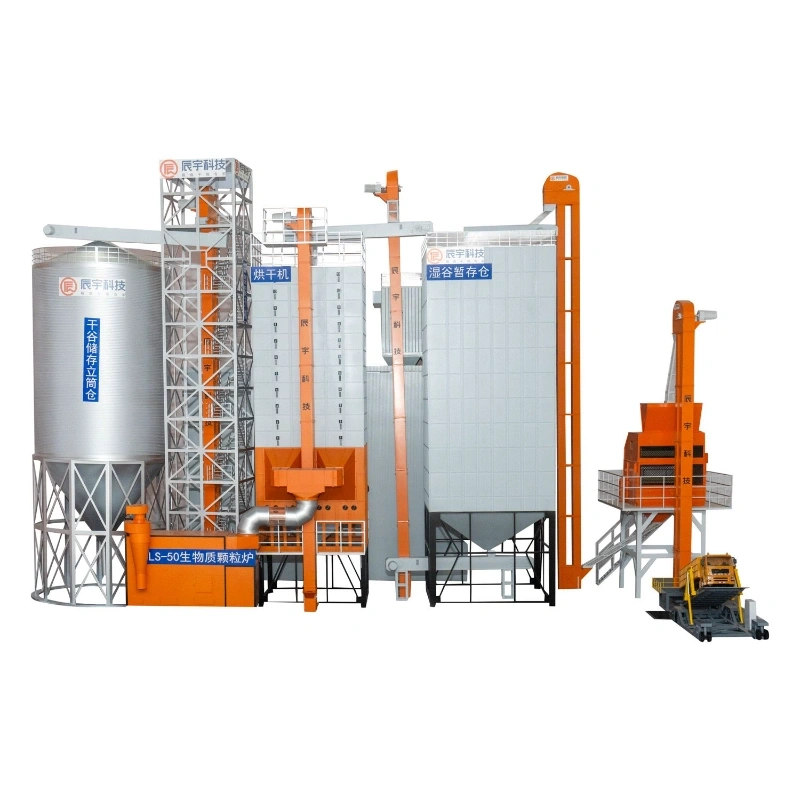
One of the most effective ways to reduce costs is to switch from expensive fossil fuels (like diesel or LPG) to biomass. For rice millers, paddy husks are a “free” fuel source. By integrating a high-efficiency husk burner or a biomass furnace, you can utilize waste products to generate steady heat, potentially reducing your fuel bills to near zero.
Prevent Over-Drying with Precision Controls
Over-drying is a silent profit killer. For every 1% of moisture removed beyond the target level, you lose both fuel and “sellable weight.”
The Solution: Use grain dryers equipped with automatic moisture sensors and PLC control systems. These systems automatically stop the process once the target moisture is reached, ensuring you don’t waste energy or shrink your margins.
Optimize Airflow and Maintenance
A clogged or poorly maintained dryer forces the fans to work harder, consuming more electricity and extending drying times.
Action Tip: Regularly clean the drying exhaust paths and air ducts. Ensure the centrifugal fans are balanced and belts are tensioned correctly. Clean airflow means faster drying and lower electricity consumption per ton.
Utilize Ambient Air Pre-Heating
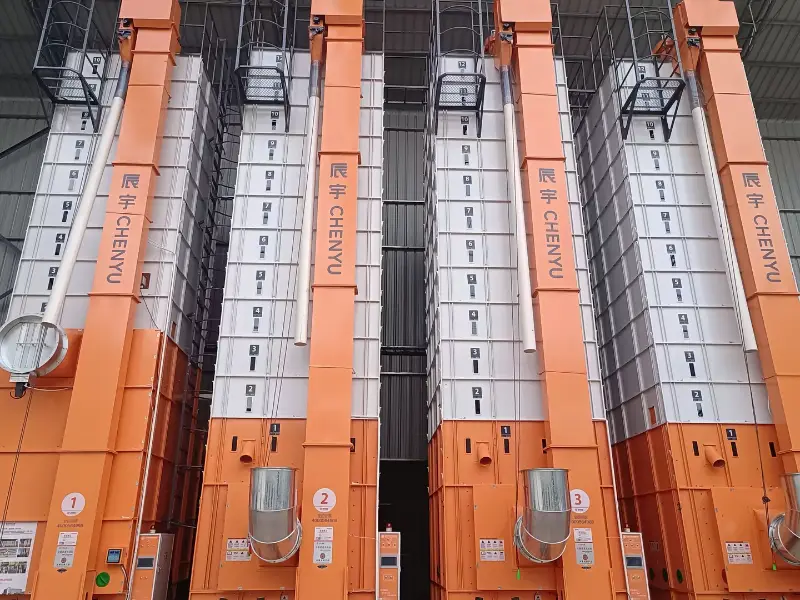
Modern drying systems can be designed to recover heat. By capturing the warm air from the cooling section of a mixed-flow dryer machine and recirculating it back into the heating chamber, you can reduce the energy required to raise the air temperature, saving up to 10-15% in energy costs.
Choose the Right Drying Capacity
Running a large 50-ton dryer with only a half-load is extremely inefficient. Conversely, over-loading a small machine leads to uneven drying.
Advice: Match your dryer’s capacity to your daily harvest volume. Using a modular drying system or a series of batch dryers allows you to scale energy use based on the actual amount of grain being processed.tual amount of grain being processed.
Conclusion
Reducing drying costs requires a combination of smart technology and disciplined maintenance. By focusing on fuel versatility and precision control, you can turn your drying operation into a high-profit center. As a professional grain dryers supplier, Chenyu’s latest generation of grain dryers is specially designed to achieve the highest thermal efficiency.