

How to Choose the Best Grain Dryer for Your Farm: A 2026 Buying Guide
Release time: 2026-01-13
Table of Contents
As we move into 2026, the agricultural landscape is increasingly focused on efficiency and sustainability. For farmers, the period following the harvest is critical. Investing in the right grain drying equipment is no longer just a luxury—it’s a strategic move to prevent post-harvest spoilage and command better market prices.
With various technologies available, from batch recirculating dryers to massive industrial towers, how do you pick the one that fits your farm? This guide breaks down the essential factors.
Match the Dryer to Your Crop Type
Different grains have unique drying characteristics. Your choice should reflect your primary produce:
Paddy/Rice: Requires a low-temperature grain dryer to prevent the husks from cracking. A paddy drying machine with a gentle circulation system is essential to maintain a low breakage rate.
Maize/Corn: Often harvested with high moisture content, corn requires a high-capacity corn dryer that can handle rapid moisture extraction without damaging the starch quality.
Wheat and Beans: These crops benefit from multi-functional grain drying solutions that allow for adjustable temperature and airflow settings.
Determine the Required Capacity (Tons per Batch)
One of the most common mistakes is underestimating the required throughput. To calculate your needs, consider your daily harvest volume.
Small to Medium Farms: A 10-15 ton batch recirculating grain dryer is often the “sweet spot,” providing enough capacity to keep up with a single combine harvester.
Large Commercial Operations: You may need a continuous flow drying system or multiple high-tonnage units working in tandem to ensure no grain is left waiting in the field, risking fermentation.
Evaluate Fuel and Energy Efficiency
With fluctuating energy costs, the operational cost of grain drying is a major concern. Look for the following “green” features:
Heat Recovery Systems: Modern energy-saving grain dryers recycle warm air, reducing fuel consumption by up to 20%.
Diverse Heat Sources: Does the dryer support biomass, husk burners, gas, or diesel? A biomass-fired grain dryer can significantly lower overhead if you have access to organic waste.
Look for Smart Automation and Control
In 2026, manual monitoring is being replaced by precision technology. The best automatic grain drying machines now feature:
Online Moisture Sensors: These provide real-time data, automatically stopping the machine when the target moisture is hit, preventing over-drying (which loses you weight/money).
Remote Monitoring: Many systems now allow you to check the drying status via a smartphone app, essential for busy harvest seasons.
Durability and After-Sales Support
A grain dryer is a long-term investment. Check the material quality—look for stainless steel drying sections and high-wear resistance components. Furthermore, ensure your supplier provides readily available grain dryer spare parts and technical support. A breakdown during peak harvest can be catastrophic without a reliable service partner.
Conclusion
Choosing the best grain dryer for your farm comes down to balancing your specific crop needs with long-term operational costs. Whether you need a portable paddy dryer for flexibility or a fixed industrial grain drying plant, prioritizing grain quality and energy efficiency will yield the highest ROI.
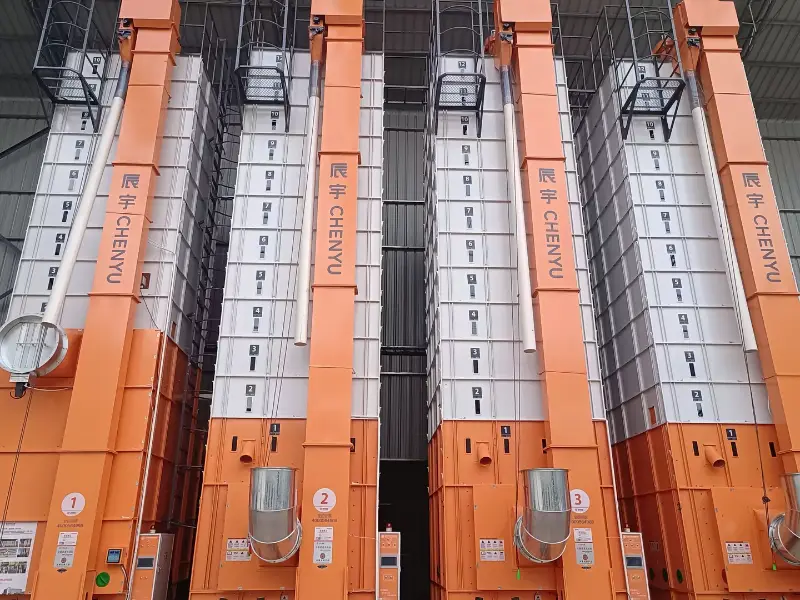
At Chenyu, we provide state-of-the-art recirculating grain dryers designed to protect your harvest and maximize your profits.