

Recirculating vs. Continuous Flow Grain Dryers: Which One Maximizes Your Yield?
Release time: 2025-12-24
Table of Contents
For modern farmers and agricultural entrepreneurs, the harvest season is only half the battle. The real challenge lies in preservation. Choosing between a batch recirculating grain dryer and a continuous flow grain dryer is a pivotal decision that directly impacts your post-harvest grain quality and overall profitability.
But which system truly maximizes your yield? Let’s break down the technical differences and application scenarios to find your perfect match.
Understanding Batch Recirculating Grain Dryers
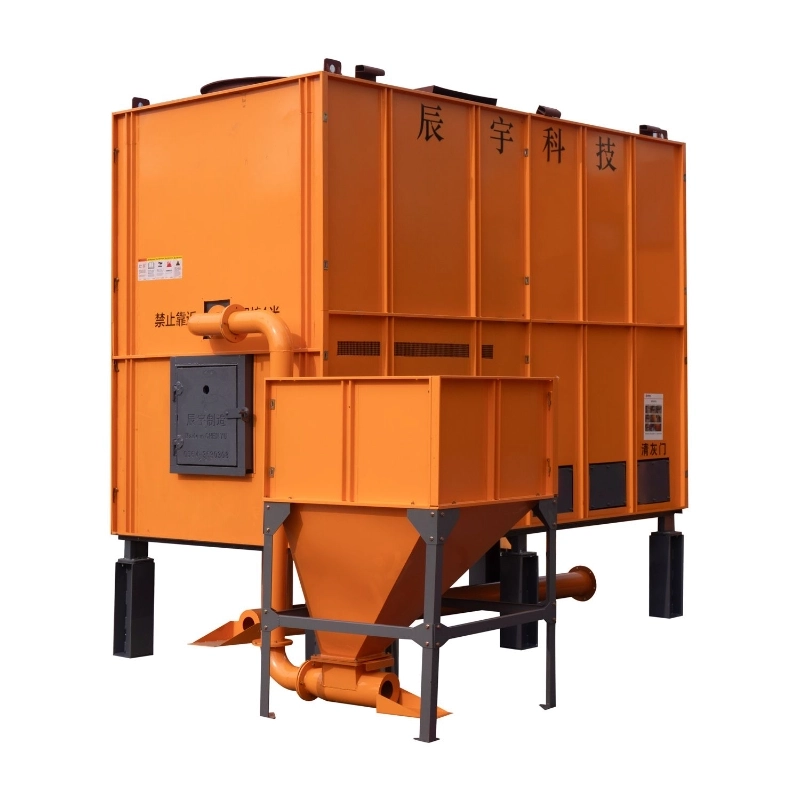
A recirculating grain dryer works by circulating a specific amount of grain through the drying and tempering sections multiple times until the desired moisture content is reached.
Uniform Drying Quality: One of the biggest advantages of this system is the use of low-temperature drying technology. By constantly mixing the grain, it prevents “hot spots,” ensuring that every kernel—whether it’s rice, wheat, or corn—is dried evenly.
Ideal for Sensitive Crops: If you are looking for a paddy drying machine, the recirculating type is often preferred. It significantly reduces the grain breakage rate, which is crucial for maintaining the premium price of aromatic rice or seed-grade grains.
Space Efficiency: These units are often more compact, making them a top choice for small to medium-sized farms requiring a mobile grain dryer solution.
The Power of Continuous Flow Grain Dryers
As the name suggests, a continuous flow grain dryer processes grain in a single pass. Grain enters the top and exits the bottom at the target moisture level.
Massive Throughput: This system is engineered for large-scale commercial grain processing. If you need to handle hundreds of tons of maize daily during a short harvest window, the high-capacity flow is unbeatable.
Automation and Speed: These dryers are designed for 24/7 automated grain drying operations, minimizing labor costs and maximizing the speed of moving grain from the field to the silo.
Key Factors to Consider for Your Yield
To maximize your Return on Investment (ROI), consider these three critical attributes:
Energy Consumption: Look for an energy-saving grain dryer that utilizes heat recovery systems. Whether recirculating or continuous, reducing fuel or electricity costs is the fastest way to increase your net yield.
Multi-Crop Versatility: Does your farm produce various crops? A multi-functional grain dryer that can switch settings between paddy, soybean, and corn provides the best long-term value.
Moisture Precision: Over-drying leads to weight loss (and lost profit), while under-drying leads to mold. Modern automatic moisture control systems in recirculating models offer high precision to hit that “sweet spot” for storage.
Which One Should You Choose?
Choose a Recirculating Dryer if: You prioritize grain quality for food-grade markets, handle various crop types, or have limited space. It is the best small farm grain drying equipment for maximizing the value of every ton.
Choose a Continuous Flow Dryer if: You are a large commercial elevator or a massive industrial farm where high-speed moisture reduction and volume are the absolute priorities.
Conclusion
Maximizing yield isn’t just about the quantity you harvest; it’s about the quality you preserve. For most medium-sized professional farms, a batch recirculating grain dryer offers the best balance of low breakage rates and operational flexibility.
At Chenyu, we specialize in high-efficiency grain drying solutions tailored to your specific climate and crop requirements. Protecting your harvest is our mission.